The class is very informative and provides an outstanding opportunity to gain perspective on how to effectively communicate, connect, and approach different people with different personalities.
Develop
For organizations
Build Better Leaders. Strengthen the Team.
You already have the people. 3C’s helps you develop them.
We turn behavioral insight into stronger leadership, better teamwork, and improved performance across communication, collaboration, and culture.
From insight to behavior
An assessment can show you the pattern. It cannot change it for you.
Assessments are valuable because they give leaders and teams a better understanding of how they communicate, work together, make decisions, and respond when things get difficult.
But the report is only the beginning.
The value comes from taking what people learn about themselves and turning it into better conversations, better decisions, stronger relationships, and better leadership.
That is where 3C’s goes to work.
What we work on
Start with what your people actually need.
Every team is different. We look at what is happening across communication, collaboration, and culture, identify where the biggest opportunity exists, and build the work around it.
Depending on what your leaders and teams need, that can include:
Behavioral Assessments and Debriefs
DISC and Four Lenses help people better understand their behavioral patterns, strengths, differences, and blind spots. We do not stop at handing out reports. We help people understand what the results mean and how to use them.
Workshops
Practical, facilitated development built around the needs of your leaders and teams. The goal is not to fill a few hours. It is to give people something they can understand, practice, and use when they go back to work.
Leadership Development
Develop the leaders you already have. We help leaders strengthen self-awareness, communication, decision-making, relationships, and the behaviors that shape the teams around them.
Coaching
Individual and team coaching gives people the space to work on the behaviors, habits, and challenges that require more than a workshop.
Team Development
Improve alignment, trust, communication, collaboration, and the way people work together when expectations are high.
Three drivers of team performance
Communication. Collaboration. Culture.
These three drivers influence how work gets done every day.
Communication affects whether expectations are clear, information moves, and people understand one another.
Collaboration affects whether people trust each other, coordinate effectively, and solve problems together.
Culture affects what gets reinforced, what gets tolerated, and what eventually becomes normal.
When the 3C’s are aligned, leaders perform better, teams work better, and organizations are better positioned to get results.
How it starts
Start with a conversation.
Tell us what you are seeing, what you want to improve, and where you think the challenge may be.
We will help you determine the right place to start.
From there, the work can be virtual or on-site, a focused session or a longer development effort, depending on what your people actually need.
No oversized package because it is easier to sell.
No assessment just because we happen to offer one.
The work should fit the need.
Schedule a Discovery Call
Free. 30 minutes. No pitch.
Who it is for
Built for organizations that depend on people to perform.
3C’s works with leaders and teams across business, military, emergency services, healthcare, education, sports, and public service.
The industries may be different. The leadership challenges often are not.
People still need clear communication.
Teams still need to work together.
Culture still shapes what happens when the leader is not in the room.
What clients say
What people say about working with 3C’s.
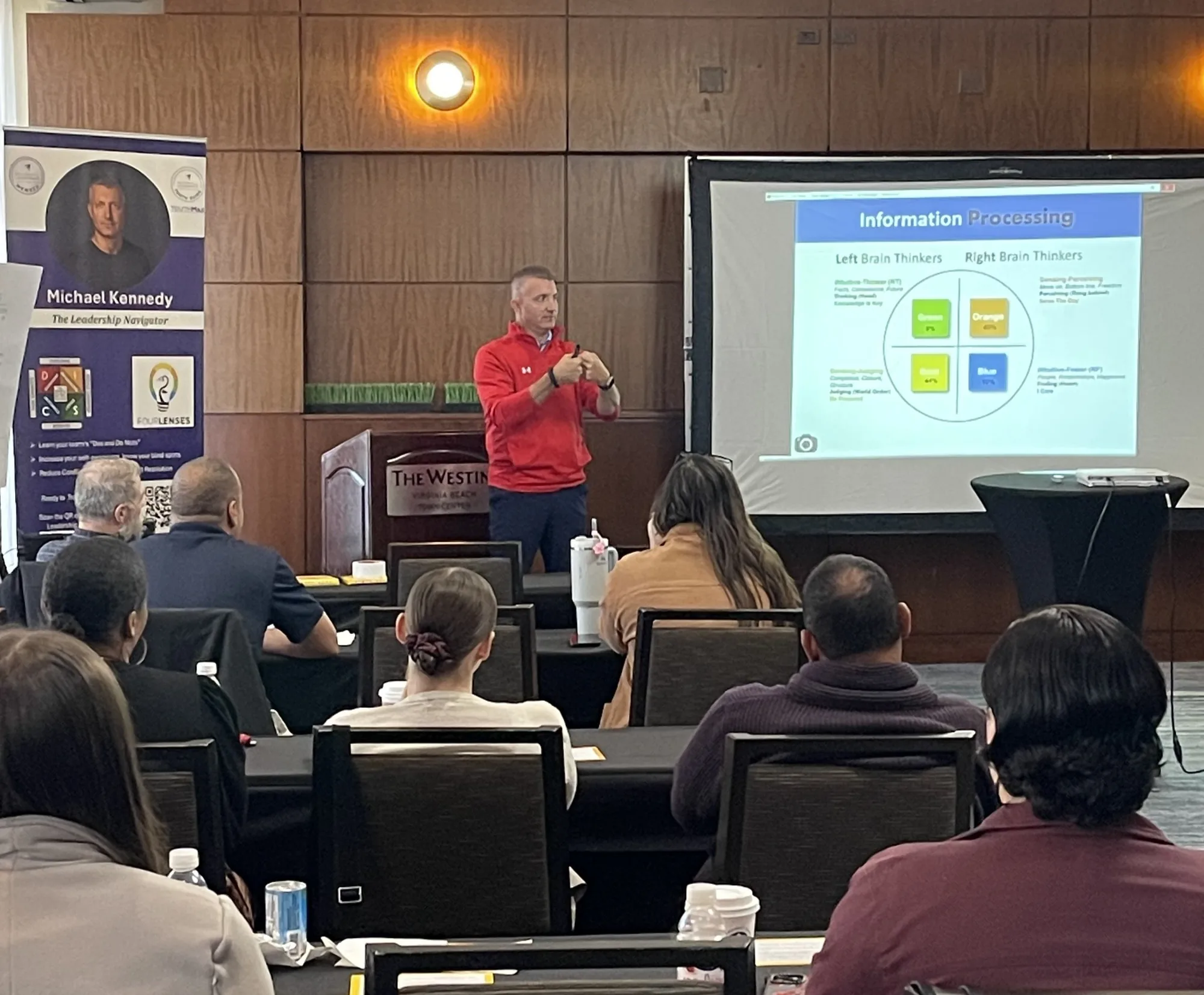
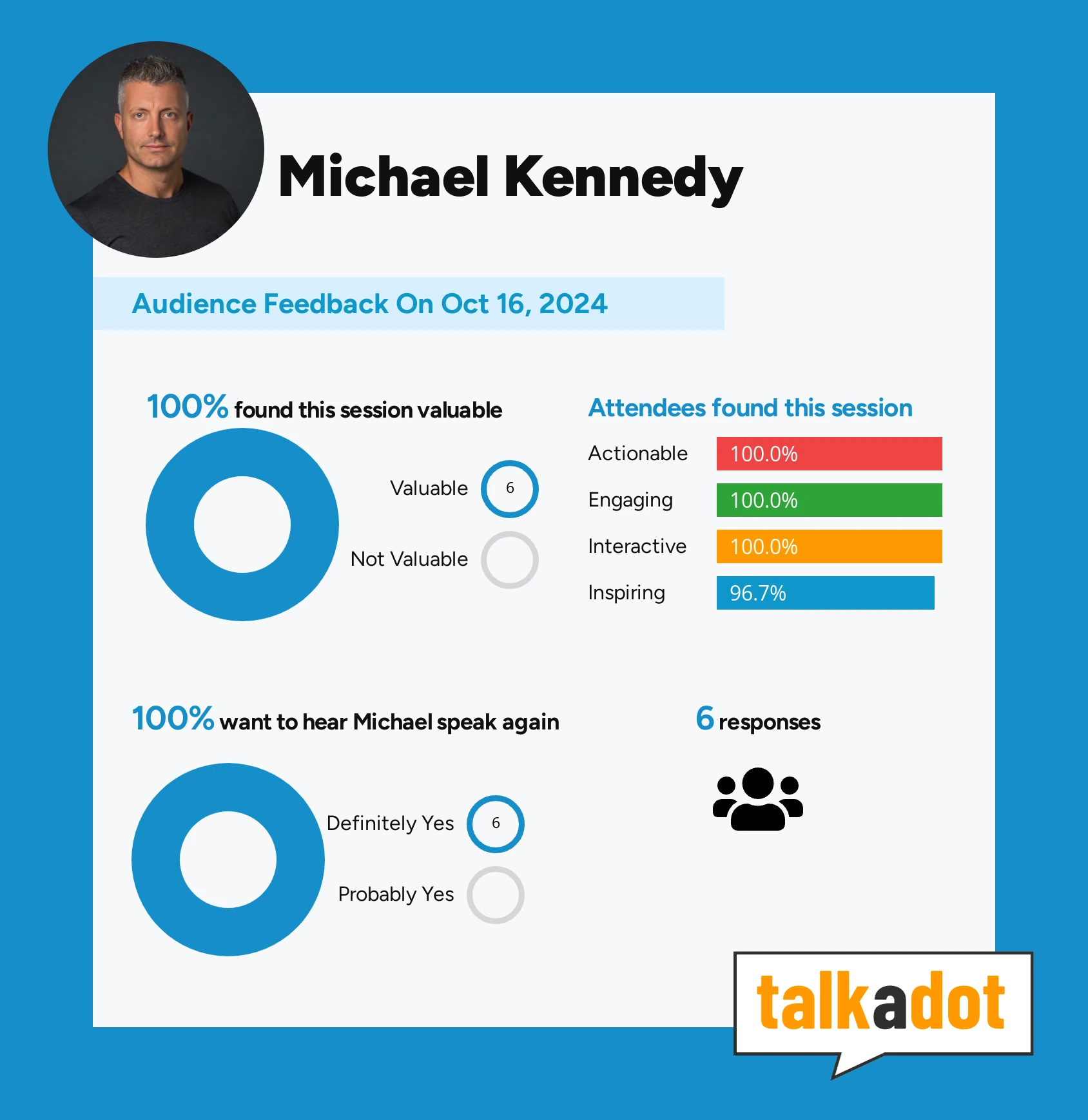
Vidal G.Four Lenses workshop First time listening in on Mike's training for my command (CREDO), and I would definitely recommend having him teach and work with us again.
Joseph B.Four Lenses workshop Very informative. I will be taking a lot of the information back with me, personally and professionally.
Tasania D.Four Lenses workshop
Founder-led
Experience behind the work.
3C’s is led by Michael Kennedy, who brings more than 20 years of Navy leadership along with corporate talent and leadership development experience.
His background includes DISC, Four Lenses, Positive Intelligence, Maxwell leadership development tools, coaching, and RBLP certification preparation.
3C’s Leadership Solutions is a Service-Disabled Veteran-Owned Small Business.

Questions
Questions organizations ask first.
Both. Sessions can be delivered online or on-site depending on the engagement and the needs of your team.
It can be either. Some organizations need a focused workshop. Others need assessment, coaching, leadership development, or a longer team-development effort. We build the engagement around the need.
Our available tools include DISC, Four Lenses, Maxwell leadership development methods, Positive Intelligence, and coaching. We choose the approach based on what you are trying to improve.
We start by understanding your people, your goals, and what you are currently seeing. Then we determine what approach makes sense instead of forcing the problem into a prebuilt program.
Our experience spans business, military, and public-service environments. If you want to know what is most relevant to your organization, ask us on the discovery call.
What do you want your leaders and teams to do better?
Tell us what you are seeing and what you want to improve. We will help you determine where to start and what kind of development makes sense.
Schedule a Discovery Call
Free. 30 minutes. No pitch.