About 3C’s
The 3C’s came from what Michael saw consistently drive success.
Over more than twenty years of leading people in the Navy, and in his work since, Michael Kennedy kept seeing the same three factors affect how well a team performed: communication, collaboration, and culture.
When people understood what was expected, trusted the people around them, and worked in a culture that supported strong performance, teams were better.
When those areas were weak, even talented people had a harder time doing their best work.
That experience became the foundation for 3C’s Leadership Solutions and the work Michael does today with leaders, teams, and organizations.
30 minutes. No pressure. Just a conversation about what you’re seeing.
Where it starts
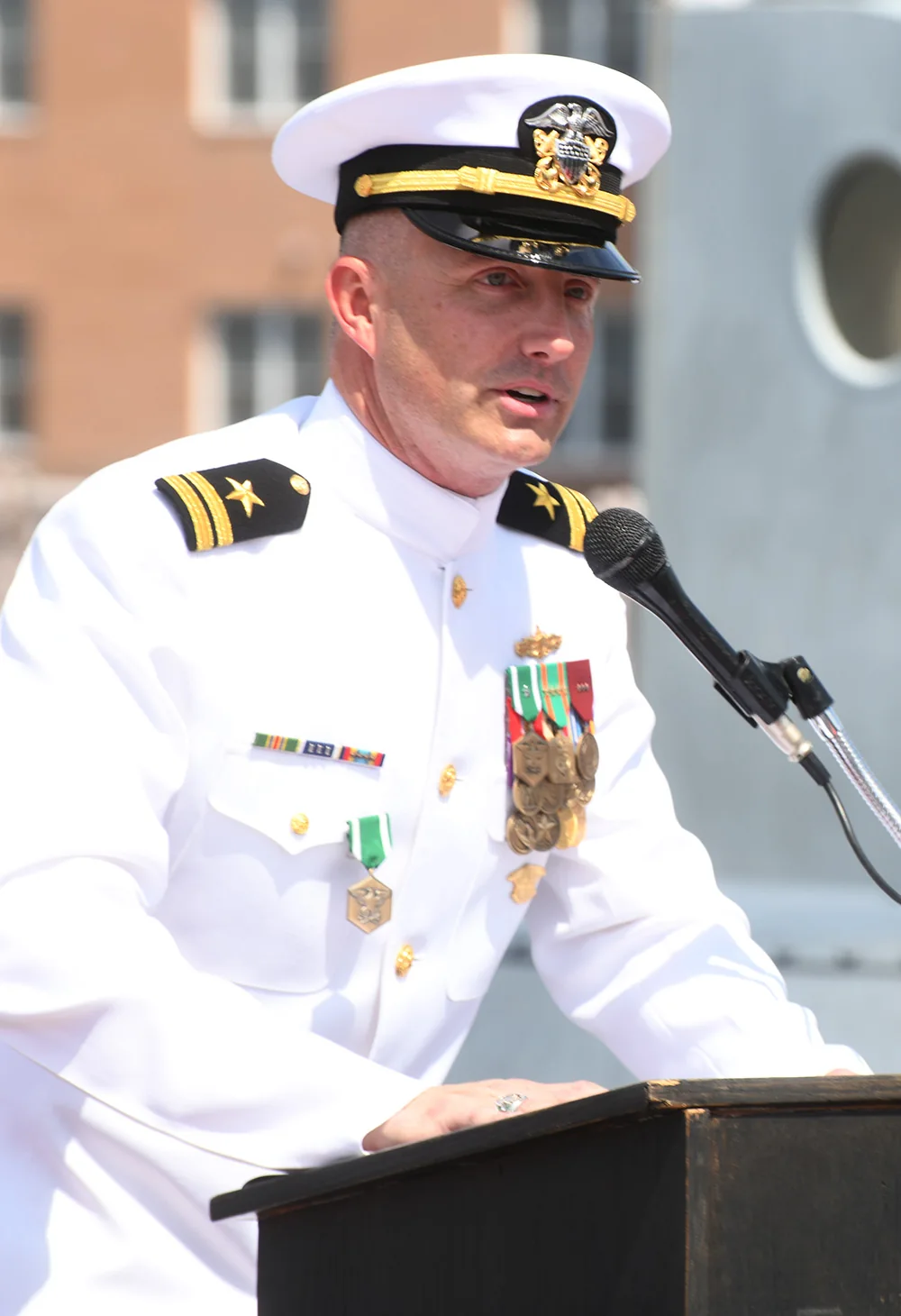
Twenty years in the Navy built the foundation for how Michael thinks about leadership and high-performing teams.
He spent more than two decades leading people, developing leaders, and building teams in environments where performance mattered.
As an Operations Officer with extensive experience in surface and undersea warfare, and later coordinating operations for a multi-ship Amphibious Readiness Group staff, he worked in environments where plans changed, information was often incomplete, and decisions still had to be made.
His job required technical and operational expertise, but Michael quickly learned that expertise alone did not make a team perform.
He had to build trust, develop relationships, set clear expectations, understand what motivated different people, and bring together teams with different personalities, experiences, strengths, and ways of thinking.
Over time, Michael became increasingly interested in the human side of performance.
- Why did one person respond well to a certain leadership approach while another shut down?
- Why did some teams communicate openly while others held back?
- Why could a group of individually talented people still struggle to work well together?
- And what could a leader actually do about it?
Paying attention to those questions shaped the way Michael led and developed people throughout his career. Many of the lessons and ideas behind 3C’s started there.
He learned that good people can have the right training, clear procedures, and the best intentions and still struggle when communication, collaboration, or culture gets in the way.
He also saw firsthand how much people and teams can improve when leaders understand what is happening and are willing to work on it.
Leadership development
Developing people became one of the parts of leadership Michael cared about most.
As Michael took on larger leadership roles, he became increasingly focused on how leaders develop other leaders.
He was selected as part of the first cohort of the MyNavy Coaching initiative, which introduced a more coaching-centered approach to leadership and development across the Navy.
That experience gave Michael another way to think about leadership.
Sometimes a person needs clear direction. Other times, the better approach is helping them think through the situation, understand their own patterns, and arrive at an answer they can own.
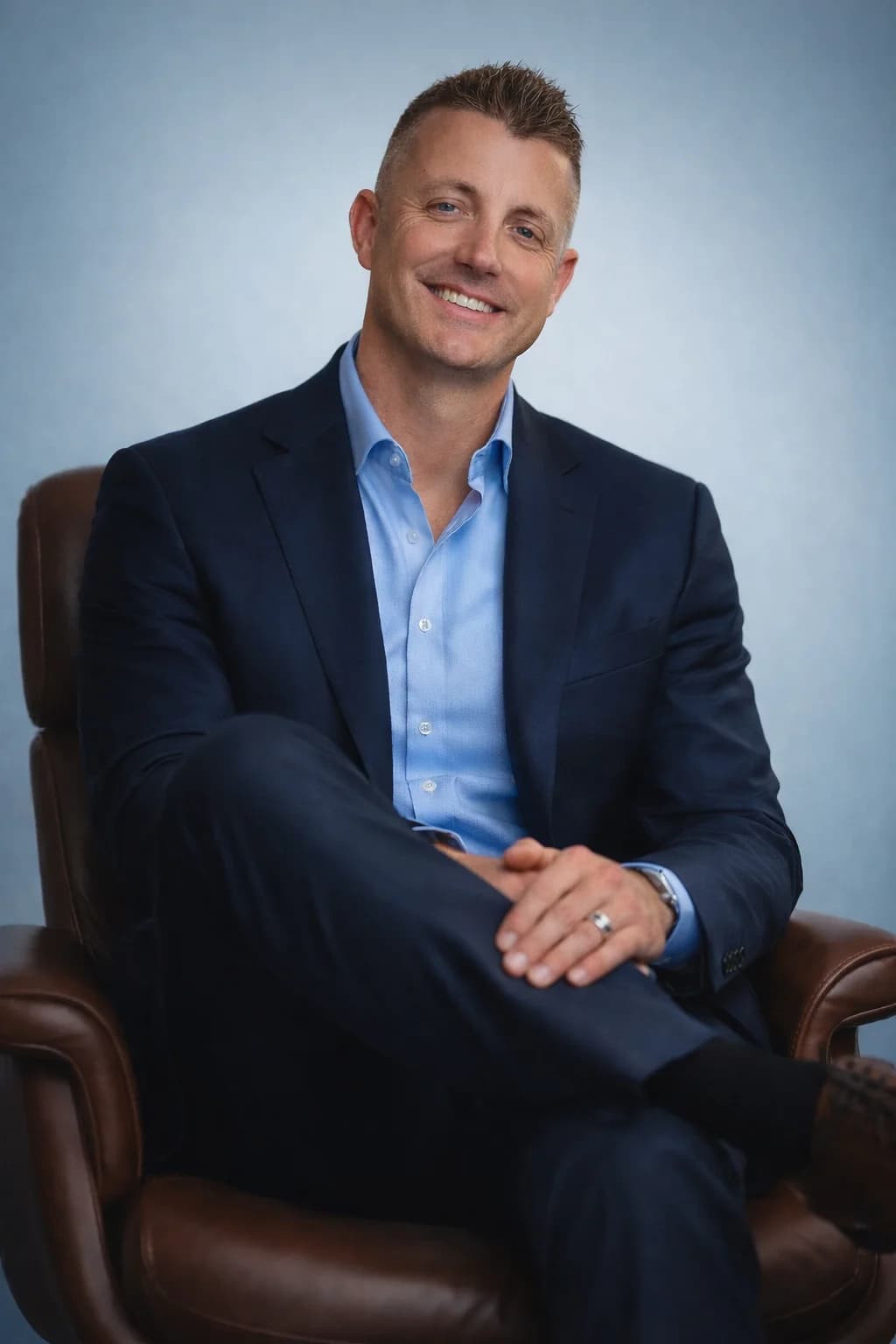
Michael carried that approach into his civilian career, where his work expanded into talent development, organizational effectiveness, leadership development, behavioral assessment, coaching, and team development.
The environments changed, but his interest stayed the same: understanding what helps people perform, grow, and work better together.
Why three C’s
Communication. Collaboration. Culture.
Michael did not choose the three C’s because they made a convenient company name.
They came from patterns he saw repeatedly while leading teams and later working with organizations.
Communication
- Can people say what needs to be said clearly?
- Do expectations make sense?
- Does information get to the right people?
- Do people listen as well as they talk?
- Can team members ask questions, raise concerns, and disagree without creating unnecessary problems?
Collaboration
- Do people actually work together?
- Do they understand one another’s roles?
- Can they work through different priorities and personalities?
- Do people ask for help, share information, and solve problems together, or does everyone stay in their own lane?
Culture
- What behavior gets rewarded?
- What gets ignored?
- What does leadership consistently reinforce?
- What has the team learned is acceptable, even if it is different from what the organization says it values?
These three areas affect how people experience leadership and how work gets done.
That is why 3C’s focuses on them.
Why 3C’s exists
Assessments are useful. The value is what you do with them.
Michael believes in behavioral assessments because good assessments can help people understand things about themselves and others that are difficult to see on their own.
They can identify strengths, explain behavioral differences, uncover blind spots, and give teams a common language for conversations that might otherwise be difficult.
Michael has also seen what happens when the process ends with the report.
Someone reads it, highlights a few pages, talks about the results for a while, and eventually goes back to working the way they always have.
3C’s was built to go further.
The assessment helps identify the pattern. The debrief, coaching, workshop, or development work helps people understand what the pattern means and decide what they are going to do differently.
For Michael, that is where the value is.
Greater self-awareness should help someone communicate better, make better decisions, use their strengths more effectively, work through differences, and become a better leader.
Otherwise, it is just more information.
How we work
Leadership development should still be useful long after the session is over.
Start with what is actually happening. Understand the person, team, and situation before deciding what tool or solution makes sense.
Use assessments to create understanding, not labels. DISC, Four Lenses, and other tools should help people understand behavior and differences, not put someone in a box.
Make the work practical. People should leave knowing something they can use in a real conversation, decision, meeting, or leadership situation.
Do not wait for a team to fail before developing it. Strong leaders and strong teams still have areas they can improve.
Pay attention to behavior. Good intentions matter, but other people experience what a leader actually says, does, reinforces, and allows.
Connect development to performance. Better communication, collaboration, and culture should make it easier for people to lead well and get good work done.
These principles guide how 3C’s chooses assessments, designs workshops, coaches leaders, and works with teams.
Training and certifications
Michael continues to add tools to the experience he already has.
Michael’s approach is grounded in more than twenty years of leading and developing people, supported by continued education and professional training.
He is a Certified PQ Coach™ and an RBLP Authorized Training Partner, with additional training and certification in DISC, Four Lenses, Maxwell leadership development methods, behavioral analysis, and coaching.
Each tool looks at leadership and human behavior from a different angle.
Michael does not use every tool with every client. He uses the ones that make sense for the person, team, and outcome they are working toward.
The credential matters because it supports the work. What matters more to the client is whether the tool helps them understand something useful and do something better.
3C’s today
Who 3C’s Serves Today
3C’s Leadership Solutions works with organizations, teams, and individual leaders at different points in their development.
For organizations, the work can include behavioral analysis, leadership development, team development, workshops, coaching, and facilitated sessions focused on communication, collaboration, culture, and performance.
For individuals, 3C’s offers behavioral assessments, live debriefs, coaching, Positive Intelligence development, and other ways to better understand personal patterns and grow as a leader.
3C’s also provides instructor-led preparation for leaders pursuing RBLP certification as an RBLP Authorized Training Partner. RBLP administers the exam and awards the certification.
The work varies depending on who Michael is working with and what they want to improve.
The common goal is to help people understand themselves and each other better, then use that understanding to lead and perform more effectively.
Veteran owned
A veteran-owned leadership firm.
3C’s Leadership Solutions is a Service-Disabled Veteran-Owned Small Business.
Michael’s Navy experience still influences the way he approaches preparation, responsibility, standards, teamwork, and leadership.
He does not try to make civilian organizations operate like the military. They should not.
What carries over are the lessons about people.
People want to know what is expected of them. They want honest communication. They want to trust their leaders and teammates. They want opportunities to grow. They want to know that their work matters.
Those needs are not unique to the military.
They show up anywhere people are expected to work together and perform.
Beyond the business
The work with people does not stop with 3C’s.
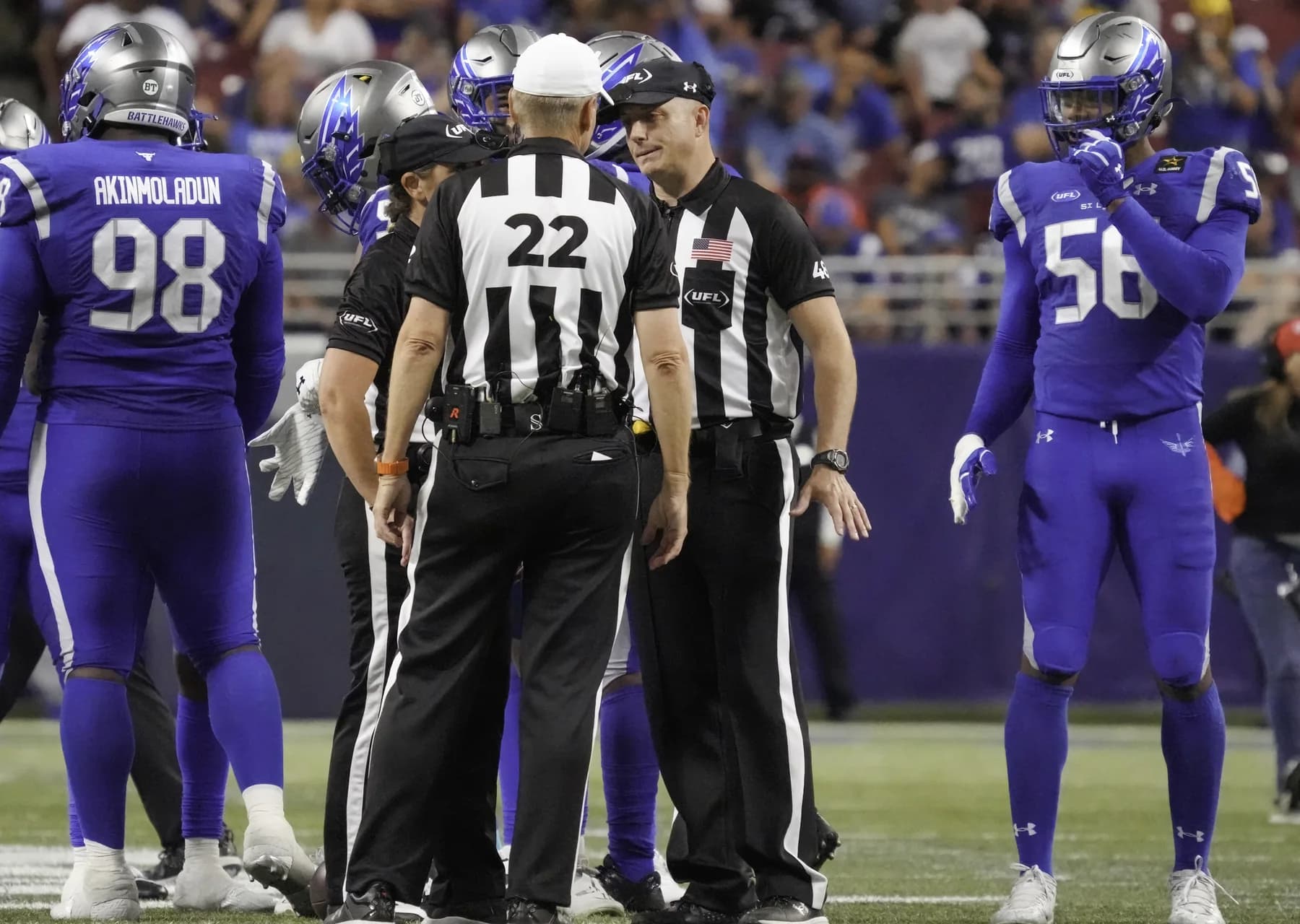
Outside the business, Michael officiates NCAA Division I football and works professionally in the United Football League (UFL).
It is something he has spent years working at and something he genuinely enjoys.
Officiating also requires many of the skills Michael works on with leaders and teams: preparation, communication, judgment, teamwork, accountability, conflict resolution, and the ability to make decisions when people around you may strongly disagree.
Working with coaches and players also requires knowing when to listen, when to explain, when to de-escalate a situation, and when a conversation needs to end so everyone can move forward.
Sports are simply another environment where communication, relationships, self-awareness, and human behavior matter, and Michael’s involvement also extends beyond the field.
Michael works with Battlefields to Ballfields, helping introduce veterans to sports officiating as an avocation and another way to find purpose, connection, and community after military service.
He is also involved with the Youth Sports Mental Health and Wellness Alliance, a partnership with the Virginia Sports Hall of Fame and Children’s Hospital of The King’s Daughters (CHKD), supporting work around the mental health and well-being of young athletes.
In Chesapeake, Michael serves as a Citizen Member of the Chesapeake Public Schools School Health Advisory Board, contributing to conversations that affect the health and well-being of students across the school division.
These are different roles, but they reflect something that has been consistent throughout Michael’s career.
He likes developing people. He cares about healthy teams and communities. And when there is an opportunity to use his experience in a way that may help someone else, he tries to be part of it.
That is part of the story behind 3C’s too.
Who we work with
3C’s works with people who want to grow, lead better, and perform at a higher level.
Some organizations come to 3C’s because there is a specific challenge they need to address.
Communication has become inconsistent. A leadership team is not working well together. Trust is low. Managers need development. Culture has moved away from what leadership intended.
Others are already performing well and want to keep improving.
They want stronger leaders, better conversations, more self-aware teams, greater collaboration, and people who are prepared for more responsibility.
Individuals come to 3C’s for many of the same reasons.
Some want to better understand their behavioral patterns, strengths, blind spots, and how other people experience them.
Some want to explore the Saboteurs identified through Positive Intelligence and PQ+, the internal patterns that can influence decisions, reactions, relationships, and keep us from performing at our potential.
Others want to communicate with more confidence, strengthen their leadership presence, become more comfortable speaking in front of others, or learn how to make their point with greater clarity.
And some come to 3C’s because they are ready to add a recognized leadership certification to their professional development.
As an RBLP Authorized Training Partner, 3C’s provides instructor-led certification test preparation for leaders pursuing RBLP, RBLP-Coach, or RBLP-Trainer certification. Michael helps candidates understand the competencies, connect the material to real leadership situations, and prepare to walk into the certification process with confidence.
3C’s prepares candidates. RBLP administers the exam and awards the certification.
Whether someone wants to earn a professional credential, better understand themselves, strengthen their mental fitness, become a more confident communicator, develop as a leader, or help an entire team perform better, the starting point is the same.
- Understand where you are.
- Get clear on where you want to improve.
- Then do the work that helps you get there.
3C’s works across business, military, emergency services, healthcare, education, sports, and public service.
The circumstances are different, so the work should be different too.
That is why Michael starts by understanding the person, the team, and what they want to improve before recommending what comes next.
What are you trying to improve?
You do not need to know which assessment, workshop, or coaching approach you need before reaching out. Tell Michael what you are seeing, what you want to improve, and what better would look like for you or your team. From there, 3C’s can help determine the right place to start.
30 minutes. No pressure. Just a conversation about what you’re seeing.